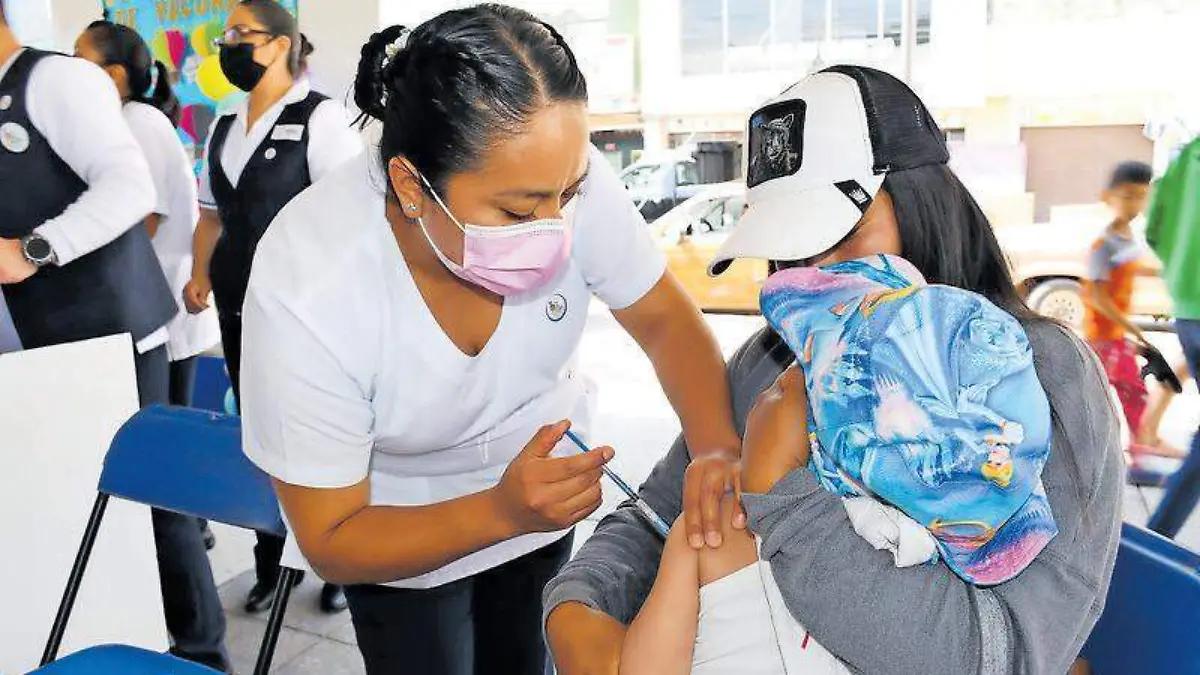
The United States has lost its measles elimination status after nearly three decades, following a prolonged period of virus transmission that health authorities say demonstrates the consequences of declining vaccination coverage.
The Pan American Health Organization confirmed that the United States, Mexico and Bolivia had lost their elimination designation because measles transmission continued for more than 12 months.
The United States had maintained its measles elimination status for 26 years.
According to figures reported by Reuters, the country has recorded approximately 7,700 measles infections and 13 deaths since 2025, representing its highest case numbers in more than three decades.
Health experts say most cases have occurred among people who were not vaccinated, with declining immunisation rates and vaccine hesitancy contributing to the resurgence.
To regain its elimination status, the United States must submit a corrective action plan and demonstrate that sustained transmission has been interrupted for at least 12 months.
The development has renewed calls for stronger vaccination programmes, improved public-health communication, rapid diagnosis and effective monitoring of infectious diseases.
Health authorities stress that two doses of the measles, mumps and rubella vaccine provide approximately 97 per cent protection against measles, while vaccination coverage of around 95 per cent is generally needed to maintain community protection.
The development is an important warning for African countries working to eliminate measles and other vaccine-preventable diseases.
Strong immunisation programmes depend on reliable vaccine supply chains, accurate population records, community-based health services and effective disease surveillance.
Digital vaccination registries could help health authorities identify communities with low immunisation coverage and organise targeted campaigns.
African researchers and health agencies also need stronger laboratory networks capable of rapidly confirming suspected cases and tracking outbreaks across national borders.
Nigeria and other African countries can draw an important lesson from the resurgence: disease elimination is not permanent without sustained investment in vaccination, public education and scientific surveillance.