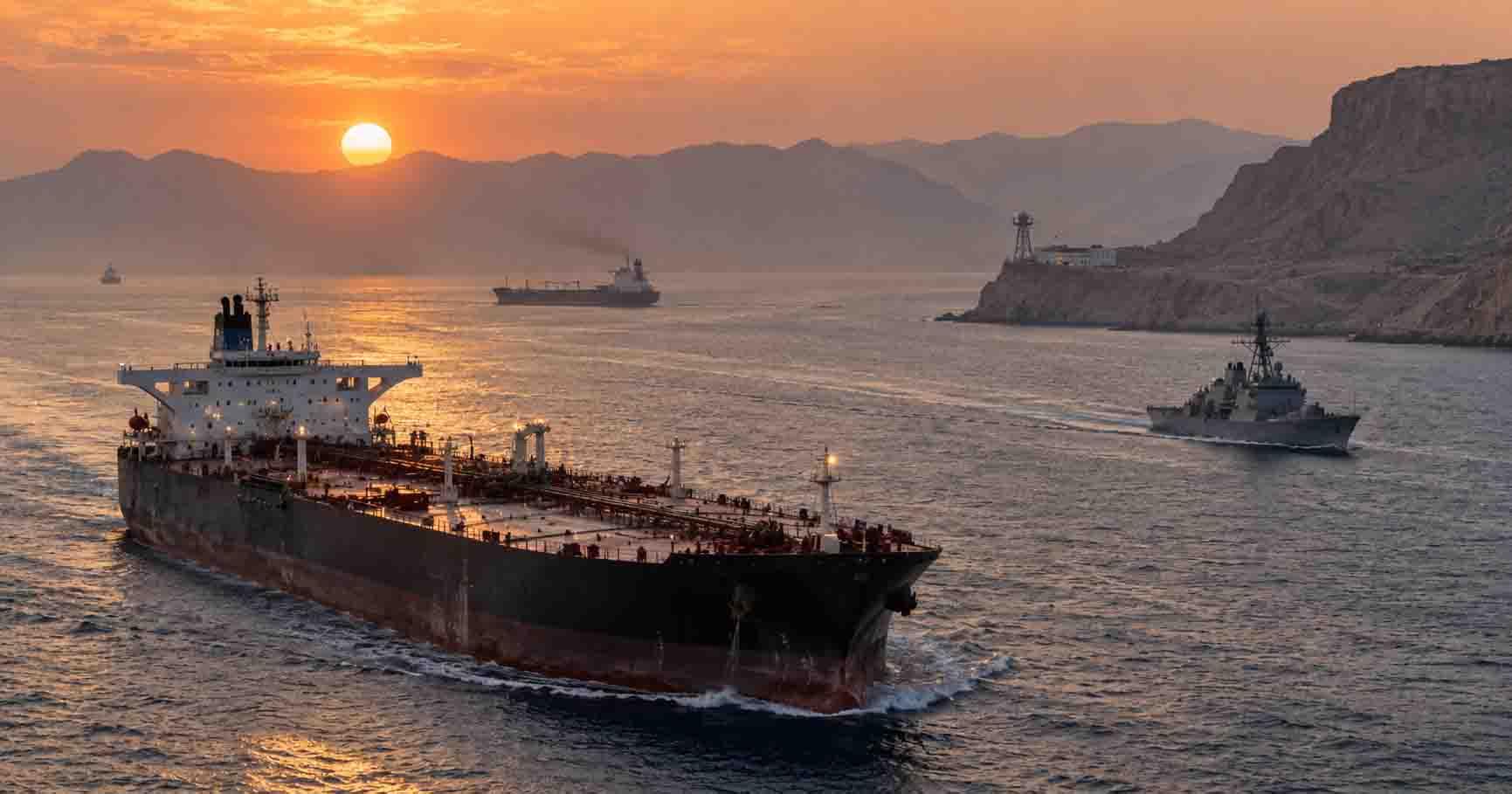
An attack on a vessel operated by Abu Dhabi-based ADNOC Logistics and Services in the Strait of Hormuz has left one crew member missing and 11 others injured, according to the company.
The company said the remaining crew members had been evacuated and that search-and-rescue operations were continuing in coordination with the relevant authorities.
The incident occurred amid an intensifying series of attacks on commercial shipping in the strategic waterway, which connects the Persian Gulf with the Gulf of Oman and the wider international maritime network.
Maritime security sources told Reuters that the crew of a liquefied petroleum gas tanker abandoned the vessel after it was struck by a projectile.
Iran’s Revolutionary Guards and navy also reported that a ship carrying liquefied natural gas and two oil tankers had caught fire, although Reuters said it could not independently verify those claims.
The United Kingdom Maritime Trade Operations agency separately reported that a tanker crew was unaccounted for after another attack north of Khasab, Oman.
The Strait of Hormuz is one of the world’s most important energy corridors. Before the current disruption, approximately one-fifth of global oil and gas supplies passed through the waterway.
Further attacks or a prolonged closure could disrupt energy exports, increase shipping insurance costs and affect international fuel prices.
The security of the Strait of Hormuz has direct implications for African economies, particularly countries that depend on imported refined petroleum products, industrial inputs and fertiliser.
Nigeria may benefit from higher crude export earnings, but global price increases can also raise domestic transport and production costs.
The situation strengthens the case for African investment in renewable energy, local refining, battery storage, electric transport and more efficient industrial systems.
It also highlights the importance of maritime technology. Satellite vessel tracking, autonomous surveillance systems and regional information-sharing platforms could help African countries protect their ports, offshore facilities and shipping routes.