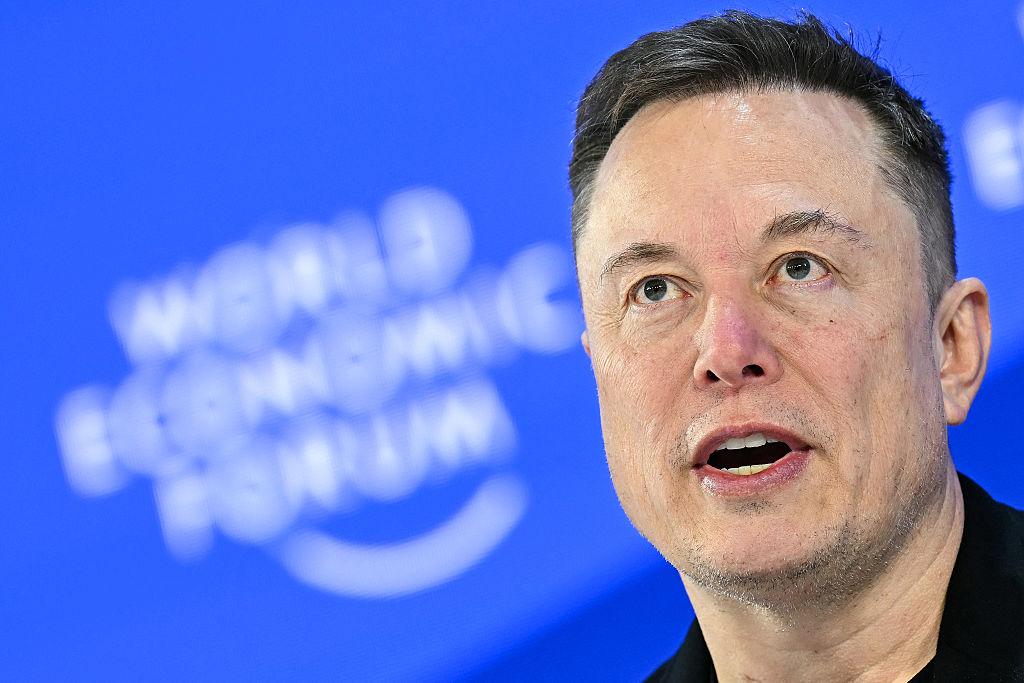
South Africa has reached a regulatory settlement with Elon Musk’s X Corp. and artificial intelligence company xAI, opening the way for local news organisations to receive monetisation training, revenue-generation support and guidance on protecting their content from artificial intelligence systems. However, the agreement does not resolve the separate regulatory obstacles preventing Starlink from officially entering the South African market.
The development, announced by South Africa’s Competition Commission on November 18, 2026, follows negotiations arising from the country’s Media and Digital Platforms Market Inquiry, which examined the relationship between major digital platforms and local media organisations.
The settlement represents an important development for South African publishers seeking to generate revenue from digital journalism while addressing concerns about how technology companies use their content.
What exactly has Musk secured?
The agreement involves two of Musk’s companies:
- X Corp. – the company operating the social media platform X, formerly Twitter.
- xAI, now identified in the settlement as SpaceX Super Intelligence LLC – the artificial intelligence business behind Grok.
Both companies had previously challenged remedies arising from the Competition Commission’s investigation into digital platforms. Following negotiations, they withdrew their appeals to the Competition Tribunal.
In return, the Commission agreed to amend the remedies imposed on X Corp. and replace the original remedies against xAI with a voluntary undertaking.
Importantly, these arrangements are not a blanket exemption from South African regulation. They are negotiated commitments addressing specific competition and media-market concerns.
X Corp. to introduce a Monetisation Support Programme
One of the most significant aspects of the settlement is X Corp.’s commitment to introduce a Monetisation Support Programme for qualifying South African news publishers.
The programme is expected to commence within six months of the effective date of the amended settlement.
Under the arrangement, X will organise workshops twice a year to help participating publishers understand and maximise the platform’s revenue-generating opportunities.
The training will cover:
- How to use X’s monetisation tools to generate revenue.
- Audience analytics and performance measurement.
- Developing content strategies that attract audiences and advertisers.
- Understanding audience preferences and improving engagement.
- Onboarding and accessing X’s monetisation programmes.
Publishers must attend at least one workshop, submit an application and satisfy X’s eligibility and integrity requirements before accessing the monetisation support.
Where necessary, X will also provide qualifying publishers with X Premium accounts for two years.
The revised commitments will run for two years after the settlement becomes effective.
xAI to train publishers on protecting their content from Grok
The agreement also addresses growing concerns about artificial intelligence companies using publicly available information and journalism to train AI systems.
Under a separate voluntary undertaking, xAI will provide training to South African news publishers on Grok’s user settings and the use of technical controls, including robots.txt protocols.
These measures are intended to help publishers understand how to manage the use of their online content in AI training and AI-generated responses.
The training will be delivered twice yearly, beginning within six months of the Commission’s withdrawal of the original remedies, and will remain available for two years.
This is particularly relevant to media organisations investing in original reporting, investigative journalism, photographs and video content.
Which media organisations qualify?
The programme is not automatically open to every X user or social media influencer.
It covers qualifying South African-based:
- Print media organisations.
- Online news publishers.
- Radio stations.
- Television and video news organisations.
The organisations must primarily report on current affairs or public-interest issues at local, provincial or national level.
They must also be current members of either the Press Council of South Africa or the Broadcasting Complaints Commission of South Africa.
The Commission says the initiative is intended to translate its digital-platform market inquiry into practical benefits for local journalism.
Why Starlink is still facing difficulties

While X and xAI have reached an agreement with South African regulators, Starlink’s position remains different.
The satellite internet company has yet to secure the necessary authorisations to officially operate in South Africa.
On October 14, 2026, the Independent Communications Authority of South Africa (ICASA) issued SpaceX with a formal notice of non-compliance over Starlink’s unauthorised provision of services in the country.
The regulator subsequently directed the company to stop providing unauthorised services within South African territory.
One of the major issues surrounding Starlink’s proposed entry has been South Africa’s regulatory framework for telecommunications companies, particularly its requirements concerning local ownership and historically disadvantaged groups.
SpaceX has previously argued that the country’s licensing requirements create barriers to market entry and has sought a regulatory framework that would allow it to participate without conventional ownership restructuring.
However, the settlement involving X Corp. and xAI does not resolve these telecommunications licensing questions.
Consequently, Starlink’s official market entry remains unresolved, even as Musk’s other technology businesses make progress in their dealings with South African authorities.
DOES X CORP.’S MONETISATION TRAINING PROGRAMME EXIST IN NIGERIA?

This is particularly important for Nigerian media organisations, television stations, digital publishers and independent journalists who are looking for additional ways to earn revenue from their online audiences.
As of November 21, 2026, we could not find an official announcement establishing a Nigerian version of the South African X Corp. Monetisation Support Programme.
The South African programme is a specific commitment arising from a regulatory settlement. It includes organised training, twice-yearly workshops, onboarding assistance and support for qualifying media organisations.
Nigeria’s position is different.
Although Nigerian creators can access X’s creator monetisation programme, that does not mean they automatically have access to the same organised publisher-training initiative announced in South Africa.
1. Can Nigerians earn money directly from X?
Yes – Nigeria is eligible
X’s current creator programme is called Original Content Rewards.
According to X’s official Help Centre, Nigeria is among the countries where the programme is available.
However, X replaced its previous Creator Revenue Sharing programme. New enrolments into the old programme stopped on August 7, 2026, and existing participants continued earning through September 7, 2026. The new Original Content Rewards programme is the relevant system to consider.
2. Requirements for Nigerian creators
To qualify for Original Content Rewards, creators must meet these requirements:
| Requirement | X’s current criteria |
|---|---|
| Location | Nigeria is supported |
| Age | 18 years and above |
| Subscription | X Premium, Premium+ or Premium Business |
| Followers | At least 500 verified followers |
| Impressions | 500,000 Home Timeline impressions from verified users within 90 days |
| Account | Personal or business account in good standing |
| Content | Consistent, original content |
| Payout | Verified Stripe payout account |
Meeting these requirements does not guarantee approval. X reviews applications individually.
3. How do Nigerian creators receive their money?
X currently processes Original Content Rewards payments every two weeks, with a minimum payout threshold of $30.
For creators outside the United States, X requires a Stripe payout account and identity verification through Stripe.
The programme does not publish a guaranteed Nigerian payment rate per thousand views. Earnings depend on qualified impressions and the programme’s payment calculations.
Creators can check their eligibility through:
X → Creator Studio → Original Content Rewards
Official information: X Original Content Rewards requirements and application guide.
4. What does this mean for Nigerian television stations and news publishers?
This is where the South African development becomes particularly interesting.
The new arrangement provides an example of how a country can negotiate structured support from a global technology company for its domestic media industry.
Nigeria has television stations, newspapers, online publishers and independent journalists producing original news content every day.
However, individual creators accessing monetisation tools is different from an entire media organisation receiving dedicated training, technical assistance and publisher onboarding.
A similar arrangement in Nigeria could help media organisations:
- Develop sustainable revenue strategies through X.
- Understand audience analytics and improve digital distribution.
- Access available monetisation opportunities.
- Train journalists and digital editors in platform optimisation.
- Understand how to protect original journalism from unauthorised AI use.
- Improve the commercial value of their digital content.
There is an opportunity for Nigerian media associations, broadcasting organisations and relevant regulators to examine the South African agreement and consider whether similar engagement with X would benefit the Nigerian media industry.
Important distinction: These are proposed opportunities, not commitments that X has made to Nigerian publishers.
5. Assessment
There are two separate opportunities here.
First: Individual Nigerian creators.
Nigerian journalists, presenters, video editors and independent content creators can pursue X’s Original Content Rewards programme, provided they meet the eligibility requirements.
Second: Nigerian media organisations.
There is a bigger institutional opportunity to pursue the kind of arrangement South Africa has secured.
We would recommend that Nigerian media organisations, particularly the broadcasting industry, explore formal engagement with X and the Nigerian Broadcasting Commission (NBC), alongside relevant media associations.
A Nigerian version of the South African programme could potentially provide structured training for television stations and online publishers, rather than leaving individual media organisations to figure out monetisation independently.
For media organisations, this could be relevant to building a stronger digital publishing and revenue strategy.
One important practical point: X’s Original Content Rewards programme favours genuinely original material. Simply downloading television reports and reposting them, or adding superficial edits to other people’s videos, will not necessarily qualify. Original reporting, commentary, analysis and properly produced video content are much more appropriate.
Key findings at a glance
| Issue | Position as of November 21, 2026 |
|---|---|
| X Corp. regulatory settlement in South Africa | Confirmed |
| X publisher monetisation workshops | Confirmed commitment |
| xAI/Grok publisher training | Confirmed commitment |
| Starlink’s official South African entry | Unresolved |
| X Original Content Rewards in Nigeria | Available |
| South African-style X publisher training in Nigeria | No confirmed equivalent found |