African innovators are receiving fresh international support to develop technologies that could help farmers respond to climate change, water shortages and growing food production challenges.The United Nations Industrial Development Organization (UNIDO), working with BFA Global, has selected nine African start-ups from 453 applications for the first cohort of its ASIF Ignite Africa programme.
The United Nations Industrial Development Organization (UNIDO), working with BFA Global, has selected nine African start-ups from 453 applications for the first cohort of its ASIF Ignite Africa programme.
The selected enterprises represent eight African countries and are developing solutions targeting some of the continent’s most pressing agricultural challenges, including drought, unpredictable rainfall, water insecurity, post-harvest losses and inefficient farming practices.
Among the innovations is ALLO NUTRI from Benin, which is developing a technology to formulate affordable and nutritionally balanced poultry feed using locally available ingredients. The system is designed to help farmers adjust feed production when climate-related disruptions affect conventional ingredients.Angola’s EcoBioGás is producing locally manufactured biodigesters that convert agricultural and organic waste into biogas and biofertiliser, offering farmers an alternative source of energy and soil nutrients.
In Tanzania, GeoVLUP Adaptation Services is developing TerraClime Passport, a digital platform that combines farm locations, climate information and land-use data to provide practical guidance for coffee farmers.
Kenya’s Kilimora is developing AgriKonnekt, which combines satellite information, field observations and Internet of Things technology to provide agricultural intelligence and climate updates.
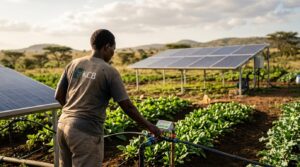
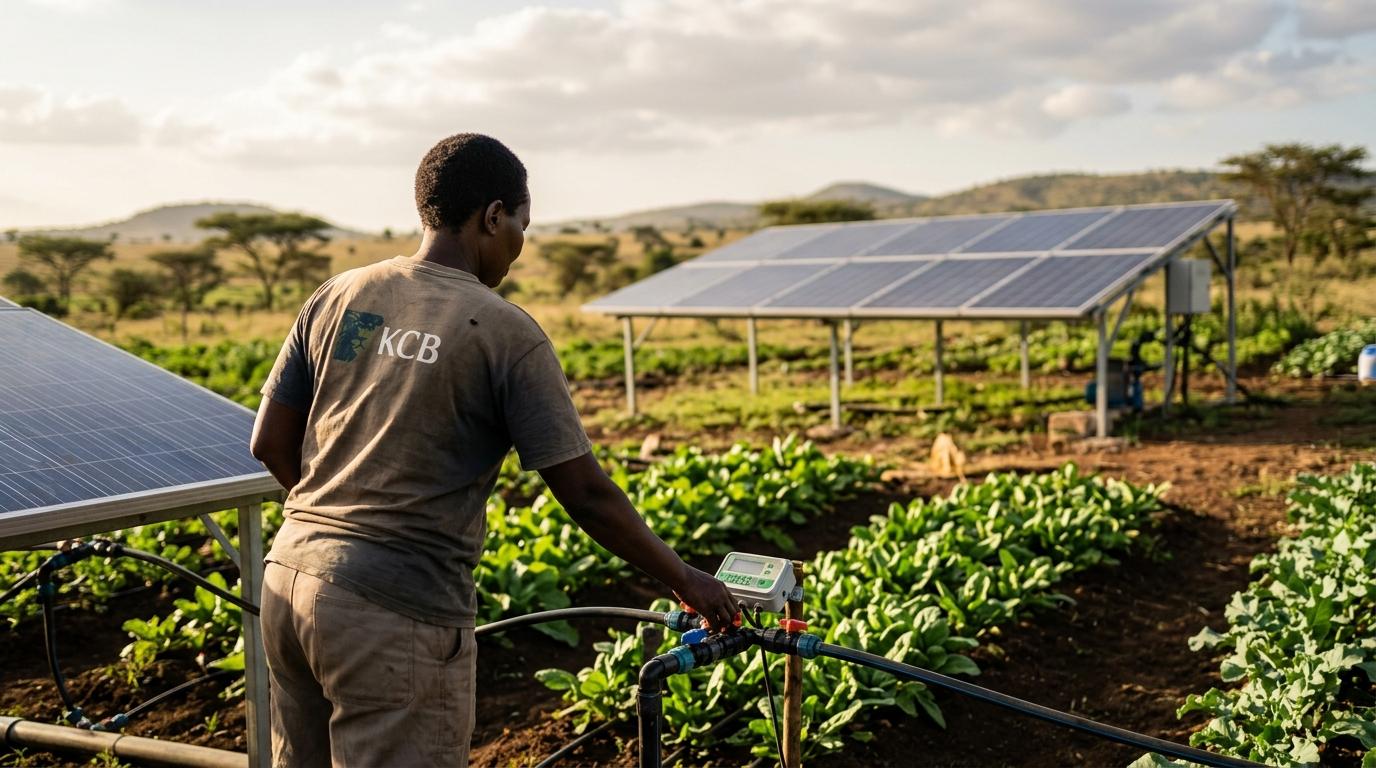
Meanwhile, Zambia’s LinkBridge is designing shared solar-powered irrigation infrastructure that allows groups of smallholder farmers to manage water distribution remotely using smart technology and mobile-based controls.
The programme will provide the selected businesses with an eight-week support programme involving artificial intelligence training, practical user testing, expert guidance and business development.
The initiative is designed to help the companies validate their technologies and prepare them for commercial growth.
The programme’s next major milestone is a founder showcase and feedback forum expected in February 2027.
Why it matters for African science: The initiative demonstrates how African entrepreneurs are combining artificial intelligence, satellite data, renewable energy, biotechnology and digital agriculture to address food security and climate resilience.