

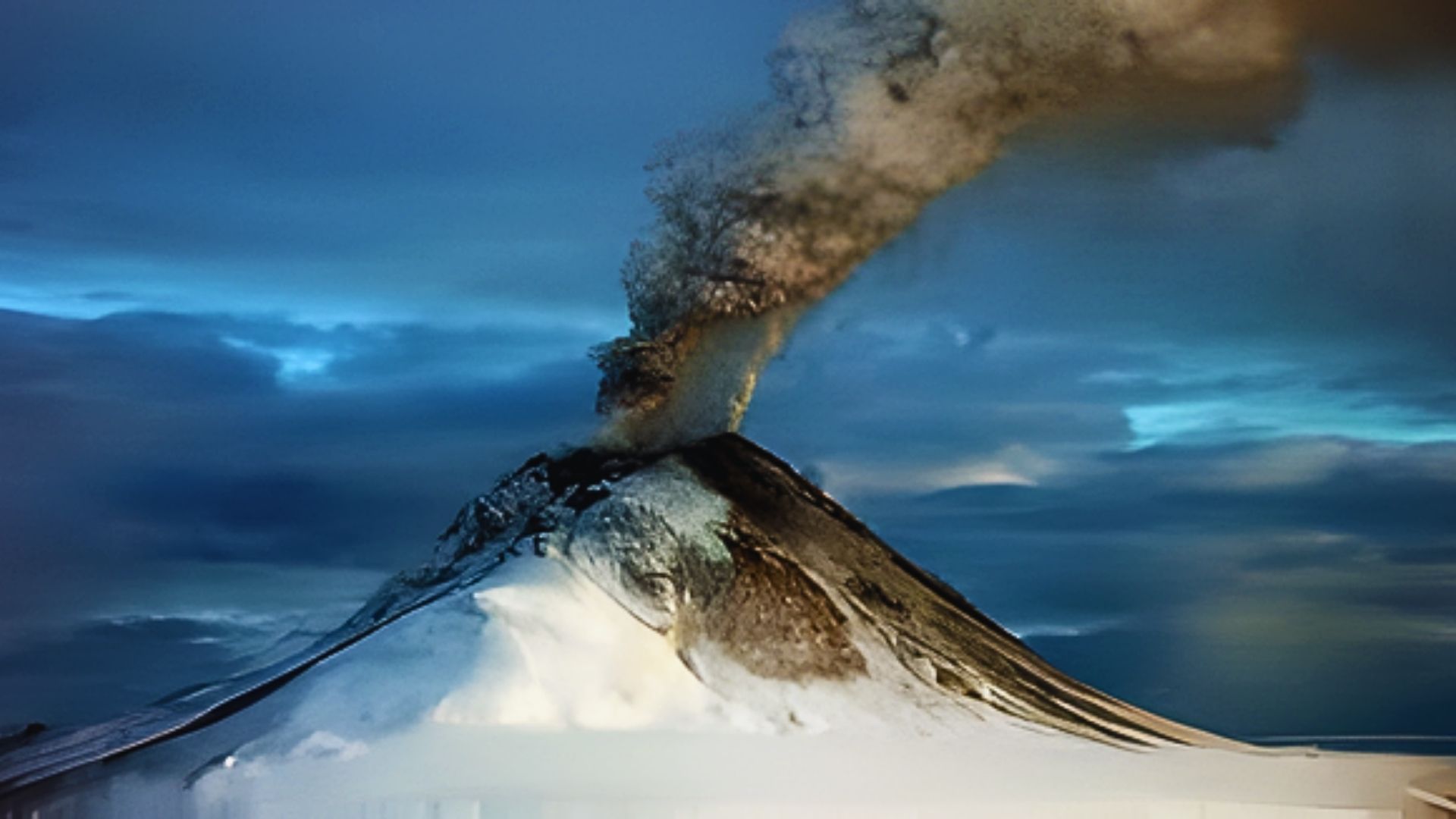
Volcanoes come in many shapes and sizes, each with its own unique eruption style and geological story. Geologists generally classify volcanoes by their structure, size, and the explosiveness of their eruptions. Here are the four main types you’ll find around the world:
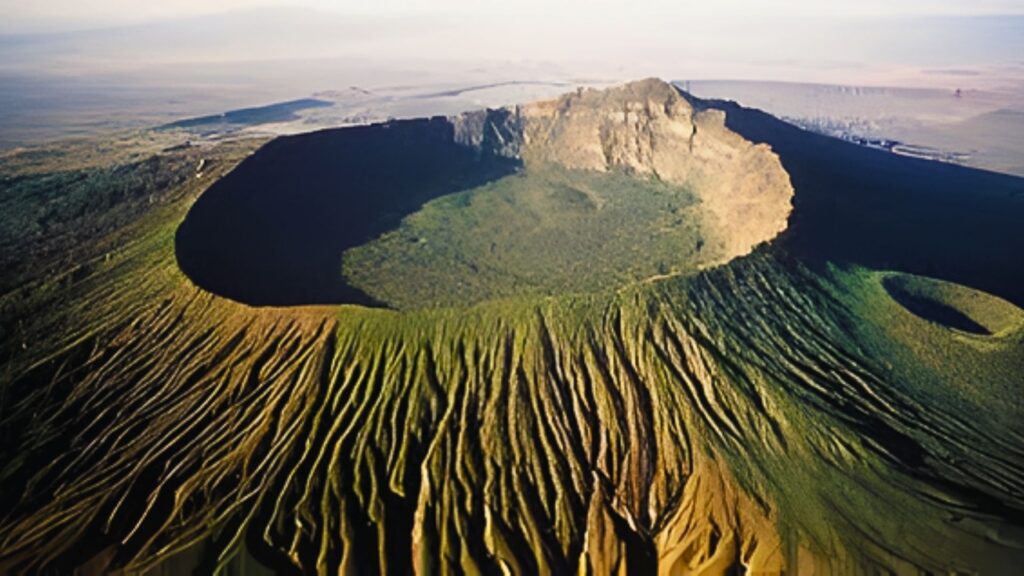
1. Shield Volcanoes: The Gentle Giants
Shield volcanoes are broad, gently sloping, and dome-shaped—resembling a warrior’s shield lying on the ground. They are built almost entirely by thin, runny lava that travels great distances before cooling and solidifying. This lava spreads out in wide layers, creating the volcano’s expansive, low-profile shape.
- Eruption Style: Non-explosive, with steady, “effusive” lava flows.
- Examples: Mauna Loa in Hawaii, Erta Ale in Ethiopia.

2. Stratovolcanoes (Composite Volcanoes): The Classic Cones
Stratovolcanoes are what most people picture when they think of volcanoes—a towering, symmetrical cone. These mountains are constructed from alternating layers of thick, sticky lava and volcanic ash. This layering gives them impressive height, but also makes them prone to very explosive eruptions when gas pressure builds up.
- Eruption Style: Highly explosive and dangerous.
- Examples: Mount Fuji in Japan, Mayon Volcano in the Philippines.
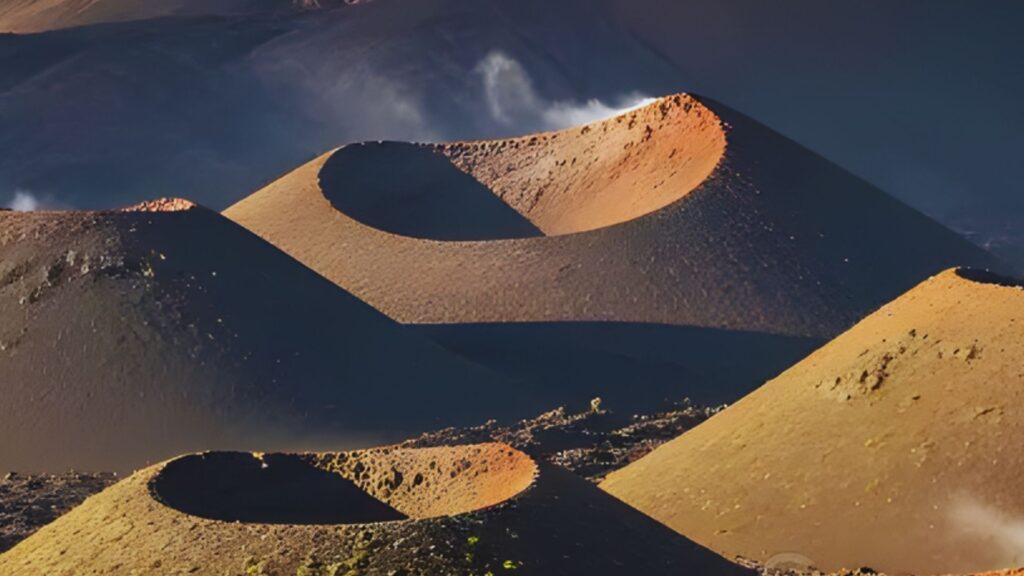
3. Cinder Cones: The Small and Steep
Cinder cones are the simplest and most common type of volcano. They’re small, steep-sided mounds formed by blobs of lava (cinders) that are ejected from a single vent and cool in the air before piling up around it. These volcanoes usually erupt for a short period and rarely grow large.
- Eruption Style: Short-lived, “fire fountain” bursts.
- Examples: Parícutin in Mexico, Sunset Crater in the USA.
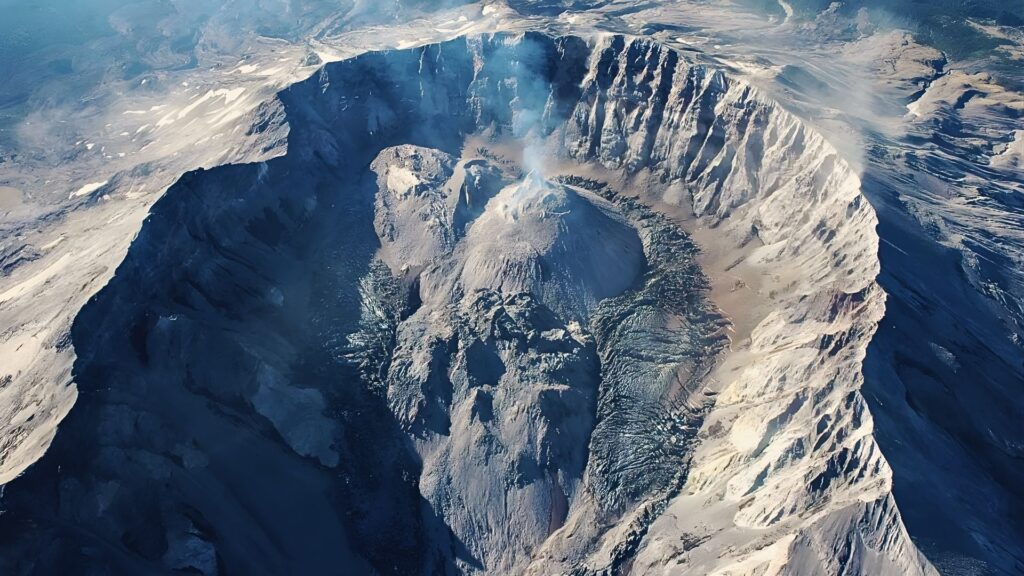
4. Lava Domes: The Plug Builders
Lava domes form when thick, viscous lava is too sticky to flow far from the vent. Instead, it piles up right at the source, creating a dome-shaped mound. Over time, these domes can grow and sometimes collapse, leading to dangerous pyroclastic flows.
- Eruption Style: Slow-growing, but capable of sudden collapse and hazardous flows.
- Example: The lava dome inside Mount St. Helens, USA.
From the sprawling shield volcanoes of Hawaii to the explosive stratovolcanoes of Japan, Earth’s volcanoes are as diverse as they are powerful. Understanding their types helps scientists predict their behavior and keep nearby communities safe.