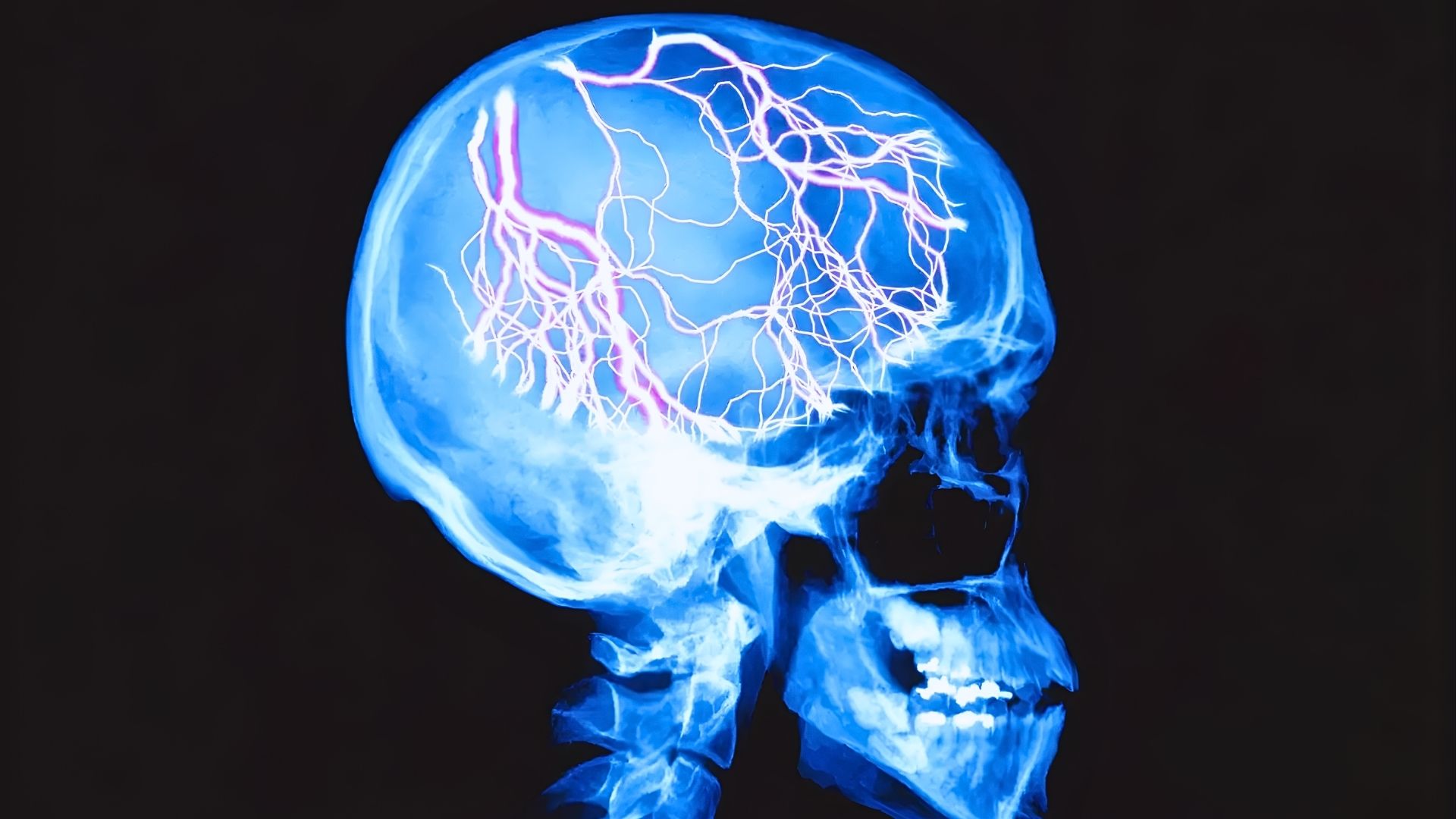
New insights into the causes of migraine are prompting a fresh look at a drug target that was sidelined 25 years ago
By Caroline Williams
This shift marks a major turning point in headache science, moving beyond the traditional “vascular theory” (the idea that migraines are just about dilating blood vessels) toward a more complex neuro-inflammatory understanding. The drug target being revisited is the Substance P receptor, specifically the Neurokinin 1 (NK1) receptor.
In the late 1990s and early 2000s, pharmaceutical companies were highly optimistic about NK1 receptor antagonists. In the late 1990s and early 2000s, pharmaceutical companies were highly optimistic about NK1 receptor antagonists. Substance P is a neurotransmitter that transmits pain signals. Blocking its receptor should, in theory, stop migraine pain. Large-scale clinical trials in the early 2000s failed to show that these drugs were more effective than a placebo for acute migraine relief. Most companies abandoned the research, pivoting instead to CGRPs (Calcitonin Gene-Related Peptides), which led to successful drugs like Aimovig and Nurtec.
The “Fresh Understanding” (Why it’s back)
Recent research, highlighted in February 2026, has revealed that Substance P plays a role that CGRP inhibitors miss. Scientists have discovered that:
- Neurogenic Inflammation: While CGRP is the primary driver of blood vessel dilation, Substance P is a key driver of “plasma protein extravasation”—essentially, it makes blood vessels “leaky,” leading to localized swelling and inflammation around the meninges (the brain’s lining).
- The “Sensitization” Cycle: We now understand that Substance P may be responsible for central sensitization—the process where the nervous system stays in a high-alert state, making light, sound, and touch feel painful long after the “throb” has subsided.
- Synergy with CGRP: New studies suggest that blocking only CGRP isn’t enough for about 40% of patients. Combining CGRP blockers with NK1 antagonists might provide the “missing link” for those with treatment-resistant chronic migraines.
What this means for the future
Several biotech firms are now dusting off NK1-related molecules. Instead of using them as a “rescue” pill (like Triptans), they are being looked at for: To stop the inflammatory “leakage” before it triggers a migraine. Developing a single medication that targets both CGRP and NK1 receptors simultaneously.
Note: If you are a migraine sufferer, these drugs are currently back in Phase II clinical trials. They are not yet available at pharmacies, but they represent the first major “new” class of treatment on the horizon since the CGRP breakthrough.