
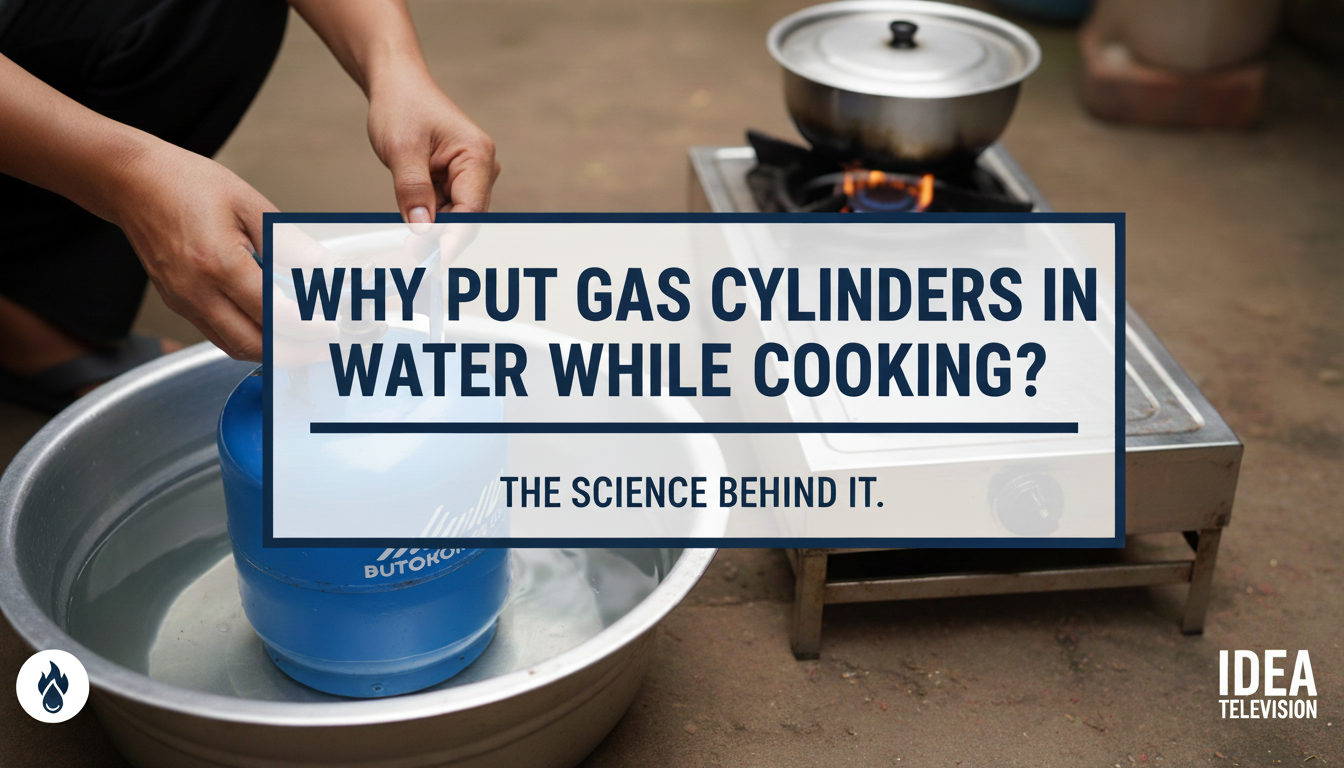
If you’ve ever walked into a kitchen in Nigeria, Kenya, or many parts of Africa, you may have noticed something unusual — a cooking gas cylinder sitting inside a bowl or basin of water. You’re not alone. This practice is surprisingly common, and many people swear by it.
But why do they do it? Is it really helpful… or is it a dangerous myth?
Why People Do It – The Common Beliefs
People who use this method usually give three main reasons:
- To prevent the cylinder from exploding They believe the heat from the stove or hot kitchen can make the cylinder too hot, causing the gas inside to expand dangerously. The water is thought to keep the cylinder cool and safe.
- To make the gas last longer Many believe cooling the cylinder slows down how fast the gas turns into vapour, so one cylinder lasts longer and saves money.
- To get a stronger or steadier flame Some claim the water helps maintain steady pressure, especially when the cylinder is almost empty or during long cooking sessions.
These ideas have been passed around for years in homes, hotels, and even some street food spots.
What Does Science Say?
The practice is based on a misunderstanding of how LPG (Liquefied Petroleum Gas) works.
- LPG is stored as a liquid under pressure. When you open the valve, it turns into gas and burns.
- Heat actually helps the liquid turn into gas faster (this is why cylinders perform better in warm weather).
- Putting the cylinder in cold water slows down this process, which means you get a weaker flame and actually take longer to cook — the opposite of saving gas.
More importantly, experts and gas companies strongly advise against it.
The Real Risks of Putting Your Cylinder in Water
- Corrosion and Rust Water causes the metal cylinder to rust over time, especially at the bottom where paint may wear off. Rust weakens the cylinder and can eventually lead to cracks or failure.
- Hidden Leaks Water can mask small leaks instead of revealing them. The proper way to check for leaks is with soapy water on the connections, not by submerging the whole cylinder.
- False Sense of Safety It gives people confidence that they are being “safe,” while they may be ignoring real safety rules like proper ventilation or using quality regulators.
- No Official Approval Gas suppliers and safety agencies in Nigeria and other countries do not recommend this practice.
The Correct & Safe Way to Use Cooking Gas
Instead of putting your cylinder in water, follow these proven safety tips:
- Keep the cylinder upright in a cool, well-ventilated area away from direct heat or sunlight.
- Always use a good-quality regulator and hose.
- Check for leaks regularly with soapy water (never use fire or matches).
- Turn off the cylinder valve after every use.
- Never place the cylinder near the stove flame.
- Refill your cylinder before it runs completely empty.
Bottom line: The water trick is a popular myth that offers no real benefit and can actually create long-term dangers. Real safety comes from proper handling, not shortcuts.
At IDEA TELEVISION, we believe knowledge is power. Understanding the science behind everyday habits helps us make smarter, safer choices for our families.
Have you ever seen or tried this gas cylinder in water trick? Share your experience in the comments below.
Stay safe, stay informed.