
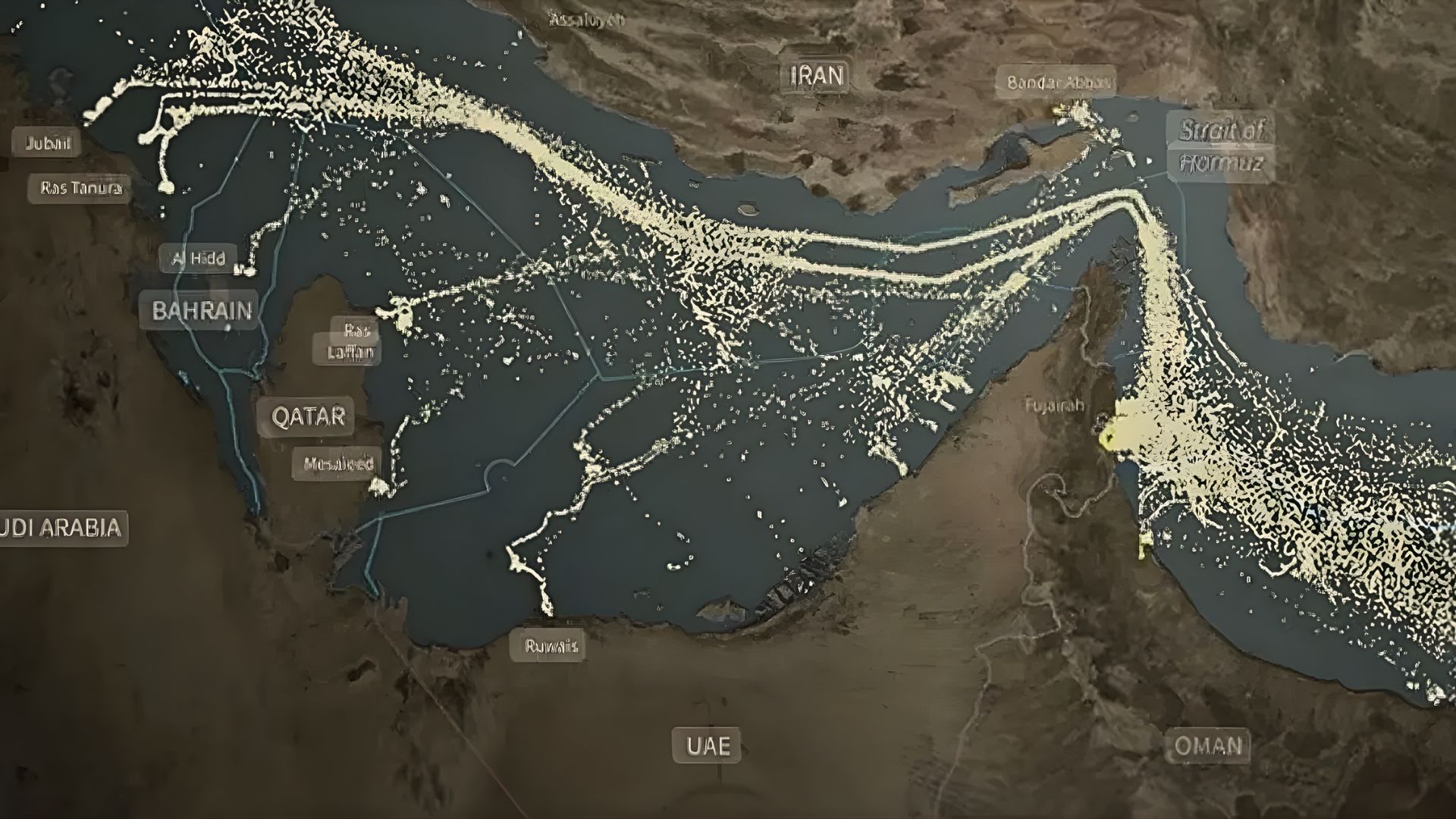
In a significant development amid ongoing Middle East tensions, Iran has officially declared the Strait of Hormuz “completely open” for the remainder of the current truce period. This announcement aligns with the recent ceasefire agreement between Israel and Lebanon, signaling a temporary easing of regional hostilities. The Strait of Hormuz, a critical maritime chokepoint for global oil shipments, plays a vital role in international trade and energy security. Iran’s decision to keep the strait open is expected to have far-reaching implications for global markets and geopolitical stability.
Background: The Strait of Hormuz and Its Strategic Importance
The Strait of Hormuz is one of the world’s most strategically important waterways, connecting the Persian Gulf with the Gulf of Oman and the Arabian Sea. Approximately 20% of the world’s petroleum passes through this narrow passage, making it a focal point for global energy supplies. Historically, the strait has been a flashpoint for geopolitical tensions, especially involving Iran and neighboring Gulf states, as well as Western powers.
The Israel-Lebanon Ceasefire and Regional Impact
The recent ceasefire between Israel and Lebanon, brokered after a period of intense conflict, has ushered in a fragile peace in the region. Iran’s declaration to keep the Strait of Hormuz open is seen as a gesture of goodwill and a commitment to maintaining stability during this truce. This move helps to reduce the risk of further escalation that could disrupt global energy supplies and exacerbate regional instability.
Implications for Global Energy Markets
With the Strait of Hormuz open, oil shipments from the Persian Gulf can continue without interruption, providing relief to global energy markets that have been jittery due to geopolitical uncertainties. This development is likely to ease fears of supply disruptions and may contribute to stabilizing oil prices in the near term. However, the situation remains delicate, and any future flare-ups in the region could quickly reverse these gains.
Geopolitical Significance and Future Outlook
Iran’s decision reflects a strategic calculation to support the ceasefire and avoid further international isolation. It also underscores the interconnectedness of Middle Eastern conflicts and their broader global impact. While the current truce offers a window of opportunity for diplomacy and de-escalation, the underlying tensions remain unresolved. Continued international engagement and dialogue will be essential to sustaining peace and ensuring the security of critical maritime routes like the Strait of Hormuz.
The declaration by Iran to keep the Strait of Hormuz “completely open” during the Israel–Lebanon ceasefire truce marks a hopeful step toward regional stability. As the world watches closely, this move highlights the importance of diplomatic efforts in mitigating conflicts that have far-reaching consequences beyond the Middle East. Maintaining open and secure trade routes remains paramount for global economic stability and energy security.