

Breaking — May 4, 2026
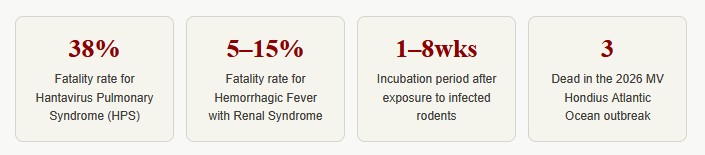
Three passengers aboard the cruise ship MV Hondius have died from a suspected hantavirus outbreak in the Atlantic Ocean. The vessel is currently anchored in Praia, Cape Verde — off the west coast of Africa. The World Health Organisation has confirmed one lab-verified case and five suspected infections. One patient is in intensive care in South Africa. The WHO is actively investigating and coordinating medical evacuations.
Hantavirus has suddenly become one of the most searched health topics in the world — and for good reason. A deadly outbreak aboard a polar expedition cruise ship sailing the Atlantic has shocked the global health community, killing three people and prompting an urgent response from the World Health Organisation. With the ship anchored near Cape Verde, West Africa, and contact tracing already underway in Johannesburg, South Africa, this story is directly relevant to every African citizen and traveller.
But what exactly is hantavirus? How does it spread? Who is at risk? And most critically — what can you do to protect yourself and your family? Idea Television answers all of these questions with the latest information from the CDC, WHO, and leading medical experts.
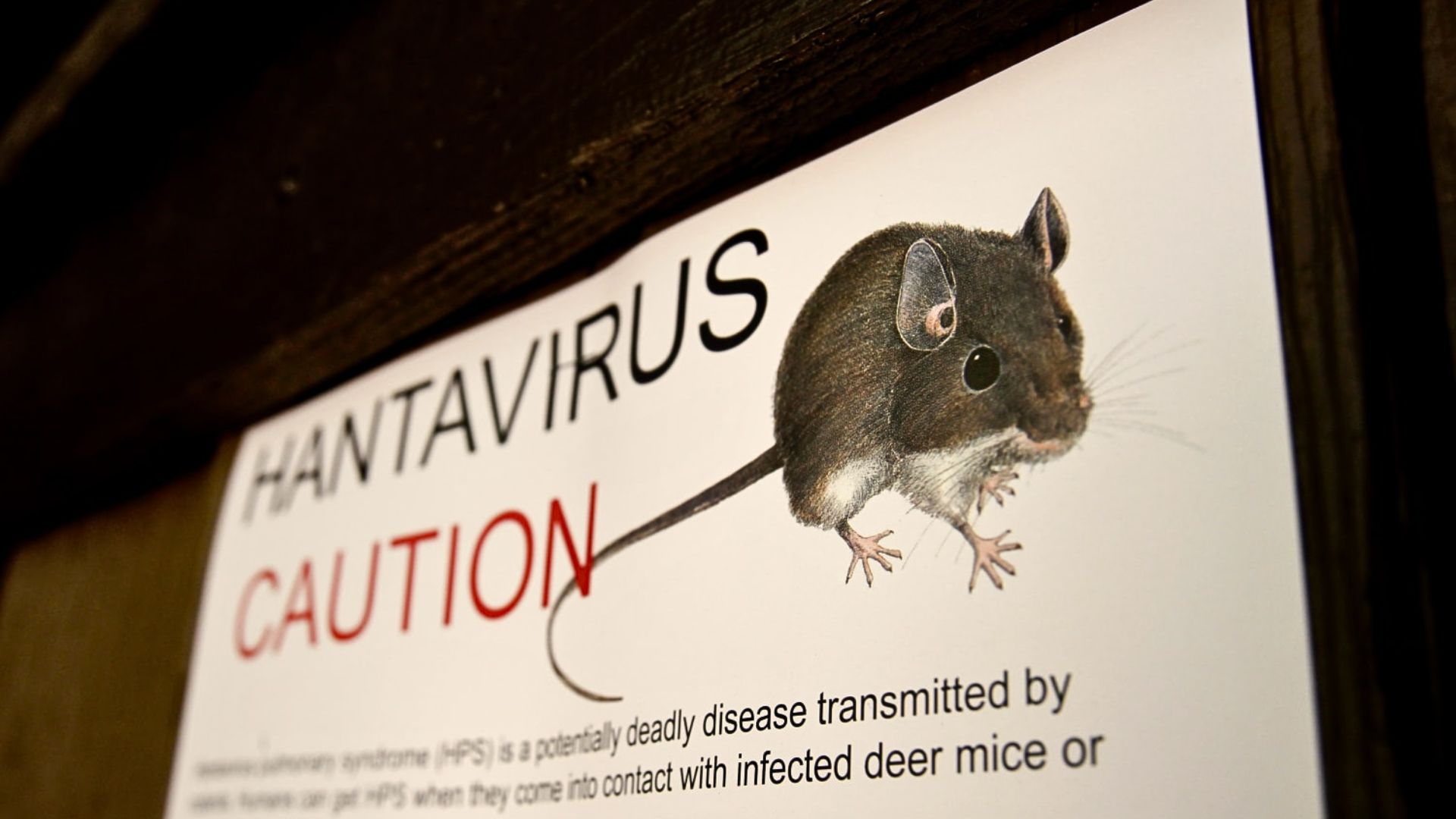
Hantaviruses are a family of viruses found on every continent except Antarctica. They do not originate in humans — they live in rodents, particularly rats and mice, which carry the virus in their urine, droppings, and saliva without becoming sick themselves. The virus passes to humans when they come into contact with these materials — typically by breathing in contaminated dust or touching their face after handling infected material.
“Hantaviruses are rare but highly deadly. About 38% of people who develop respiratory symptoms may die from the disease.” — US Centers for Disease Control and Prevention
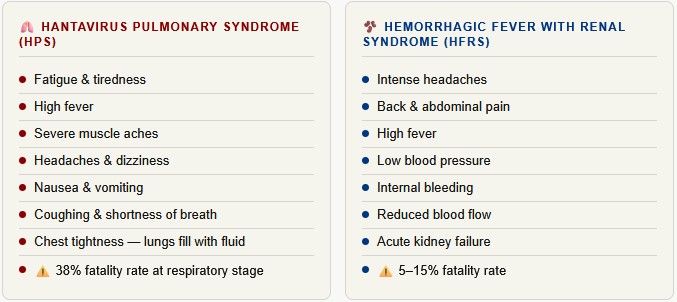
The virus causes two distinct and serious clinical syndromes depending on which strain is involved. In the Americas, the dominant concern is Hantavirus Pulmonary Syndrome, which attacks the lungs. In Europe and Asia, the primary form is Hemorrhagic Fever with Renal Syndrome, which attacks the kidneys. Both can be fatal without prompt medical intervention.
The most critical thing to understand about hantavirus transmission is that it is primarily a disease of rodent contact, not human-to-human spread. You cannot catch hantavirus from another infected person in the way you would catch influenza or COVID-19. The WHO has noted that while rare cases of person-to-person transmission have been documented with certain strains, the primary route of infection remains exposure to infected rodent material.
The WHO stated: “While rare, hantavirus may spread between people, and can lead to severe respiratory illness and requires careful patient monitoring, support and response.” This is why the MV Hondius outbreak is being taken so seriously — the exact source of infection aboard the ship remains under investigation.
There is currently no specific cure or approved antiviral treatment for hantavirus infection. Medical care focuses entirely on managing symptoms and supporting the body — particularly the lungs and kidneys — while the immune system fights the virus. Patients with severe breathing difficulties may require intubation and mechanical ventilation. Early medical attention dramatically improves the chances of survival, which is why recognising symptoms quickly is so important.
The 2026 MV Hondius Outbreak — Timeline
Apr 13 | MV Hondius departs Argentina on a polar expedition cruise with approximately 150 passengers heading through the Antarctic. |
Apr 28 | A UK passenger falls ill while sailing between St. Helena and Ascension Island. He is later hospitalised in South Africa and tests positive for hantavirus. |
| May 1 | A 70-year-old Dutch male passenger is declared dead on arrival at St. Helena. His 69-year-old wife collapses at Johannesburg’s OR Tambo International Airport and dies at a health facility. |
| May 3 | WHO confirms 1 lab-verified hantavirus case and 5 suspected cases. Three passengers confirmed dead. Ship anchors at Praia, Cape Verde. Cape Verde authorities refuse permission to disembark. |
| May 4 | South Africa begins contact tracing in the Johannesburg region. WHO coordinates medical evacuation of two symptomatic passengers. Investigation and virus sequencing ongoing. |
The fact that this outbreak occurred on a ship that had not travelled through any known hantavirus-endemic region has puzzled medical experts. The Ministry of Health of Tierra del Fuego province in Argentina confirmed there has never been a reported case of hantavirus in their province. However, hantavirus is endemic in other parts of Argentina and Chile — raising the possibility that exposure occurred at an earlier port of call.
For Nigerians and Africans generally, the proximity of this outbreak — with Cape Verde just off the West African coast, and a confirmed patient hospitalised in Johannesburg — makes awareness essential. Rodents are prevalent across Nigeria and the African continent. While hantavirus transmission risk in Nigeria is relatively low compared to the Americas, the disease exists globally and the primary risk factor — contact with rodent droppings and urine — is a reality in many Nigerian homes, markets, farms, and waste areas.
How to Protect Yourself & Your Family
Seal your home against rodents. Block holes, gaps, and entry points in walls, ceilings and floors. Rodents can squeeze through surprisingly small openings.
Never sweep or vacuum rodent droppings dry. This stirs up dust containing the virus. Instead, wet the area first with disinfectant, then clean with gloves and a mask.
Always wear gloves when cleaning areas where rodents may have been — especially storerooms, warehouses, farms, and bush areas.
Wear a mask when working in enclosed spaces that may have been occupied by rodents — old buildings, barns, storerooms, garages.
Store food in sealed, rodent-proof containers. Never leave food exposed overnight, especially in markets, farms, or kitchens.
Dispose of rubbish and waste properly. Rodents are attracted to open refuse. Proper waste management reduces rodent populations significantly.
Seek immediate medical attention if you experience unexplained high fever, severe muscle aches, and fatigue — especially after exposure to rodents or their environments.
⚠️ Important: This article is for educational purposes only and is not a substitute for professional medical advice. If you or anyone around you is showing symptoms of hantavirus — particularly high fever, severe muscle pain, and difficulty breathing — please visit a hospital or clinic immediately. Early treatment saves lives.