IDEA Televison NEWS DESK
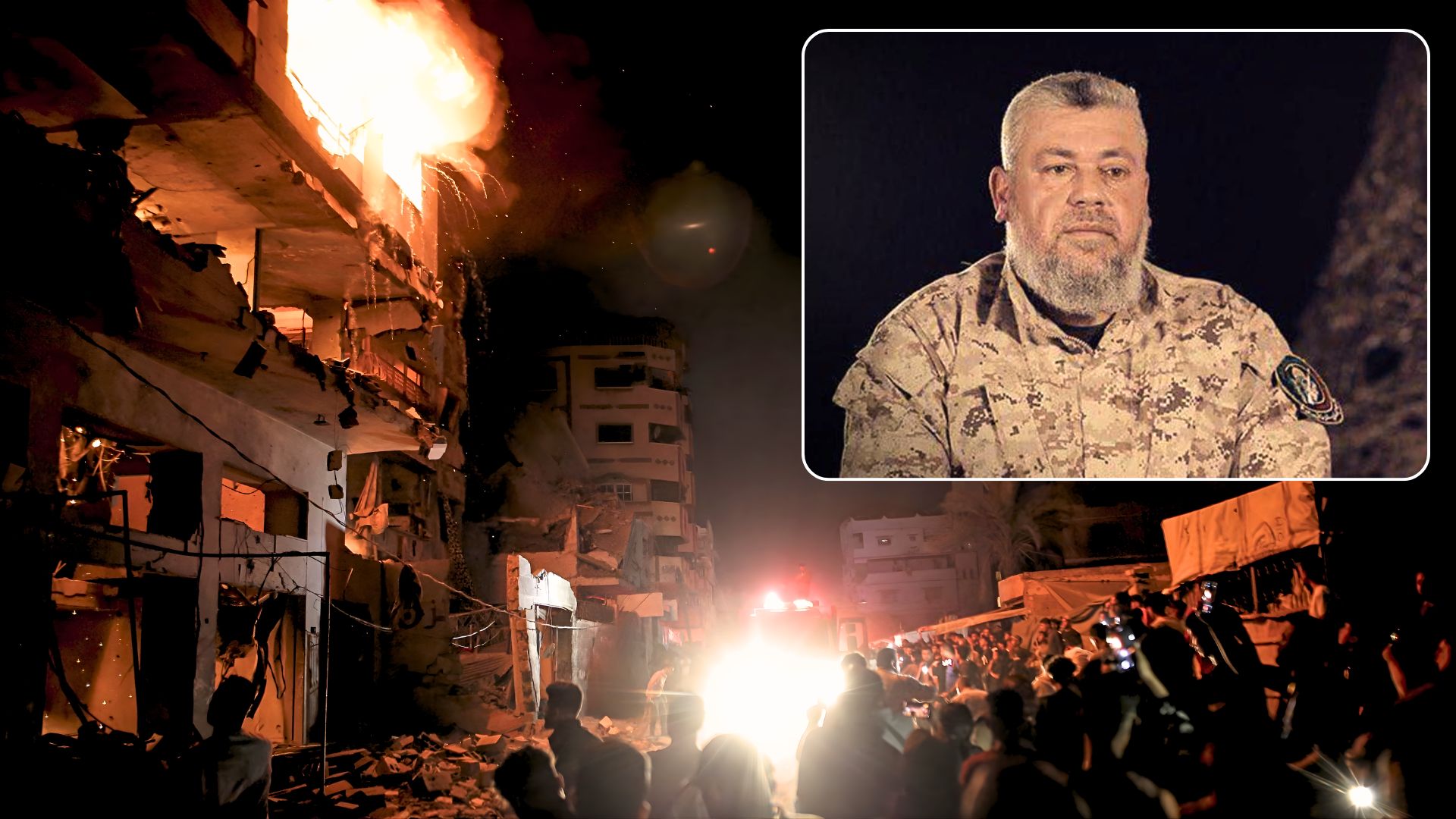
Izz al-Din al-Haddad, head of the al-Qassam Brigades and one of the architects of the October 7 attacks, was killed in a targeted Israeli airstrike on Gaza City — despite an active US-brokered ceasefire.
Israel has eliminated Izz al-Din al-Haddad, the most senior military figure remaining within Hamas, in a targeted airstrike on the al-Rimal neighbourhood of Gaza City — a strike that came despite an ostensibly active ceasefire brokered by the United States and in place since October 2025.
A joint statement from the Israel Defense Forces and the Israeli Security Agency confirmed the killing, describing the operation as a “precise strike” against a man they regard as one of the principal architects of the Hamas-led terrorist attacks of October 7, 2023, which killed some 1,200 Israelis and triggered the current war. Mosques across northern Gaza announced al-Haddad’s death on Saturday, though Hamas itself has not issued an official statement.
The Friday afternoon strikes hit a residential building in al-Rimal before a second strike targeted a vehicle on a nearby street. Gaza’s emergency services reported at least seven people killed and more than 50 injured, with casualties transported to Al-Shifa Hospital, which also functions as the area’s primary morgue. Among the dead were three women and a child, according to the hospital’s director, Mohammed Abu Salmiya. Paramedics with the Palestine Red Crescent Society transported nearly 30 additional injured patients to Al-Saraya Field Hospital.
Who was Izz al-Din al-Haddad?
- Commander of the Izz al-Din al-Qassam Brigades, Hamas’ military wing
- Known as the “Ghost of al-Qassam” for his exceptionally secretive, low-profile manner of operating
- Became Hamas’ top military decision-maker after Israel killed Yahya Sinwar (October 2024), Mohammed Sinwar (May 2025), and Mohammed Deif (July 2024)
- Accused by Israel of helping plan the October 7, 2023 attacks and managing hostage operations in the aftermath
- Alleged by Israel to have refused to implement Trump-backed disarmament and demilitarisation terms
The Last Major Military Figure
Al-Haddad occupied a position of extraordinary importance within what remained of Hamas’ military leadership. Over the past two years, Israel systematically dismantled the organisation’s command structure: Yahya Sinwar, the political chief and driving force behind October 7, was killed in battle in October 2024; his brother Mohammed Sinwar followed in May 2025; and senior military commander Mohammed Deif was eliminated in a strike in July 2024. Each assassination was hailed by Israel as a turning point. Al-Haddad’s death, if confirmed definitively, would remove the last widely recognised senior figure from the military hierarchy of the al-Qassam Brigades.
A senior Israeli security official said initial indications confirmed the operation was successful, though CNN could not independently verify his death at the time of reporting. Hamas has yet to comment publicly.
“The plan is clear: Hamas needs to step back from governance of Gaza, its weapons need to be decommissioned and Gaza deradicalized.”
— Nickolay Mladenov, ceasefire implementation official
Strikes Under a Fragile Truce
The strike throws an uncomfortable spotlight on the fragility of the US-brokered ceasefire arrangement. The truce has technically been in force since October 2025, but Israel has continued to carry out military operations it describes as targeting Hamas personnel or imminent threats to Israeli forces, which currently occupy more than half of the devastated territory. According to the Palestinian Ministry of Health, Israeli strikes have killed more than 850 people in Gaza since the ceasefire came into effect.
Just a day before the al-Haddad strike, Nickolay Mladenov — the official overseeing implementation of the ceasefire agreement — acknowledged at a press briefing that the arrangement was “far from perfect,” even as he credited it with bringing “relative stability.” Mladenov conditioned a full Israeli military withdrawal from Gaza on Hamas disarming, ceding governance, and allowing civil administration to take root — conditions that have so far not been met.
Israel’s stated justification for the strike on al-Haddad specifically cited his refusal to implement disarmament terms negotiated under US President Donald Trump’s mediation — framing the assassination not merely as a military act, but as a consequence of Hamas’ political intransigence.
The killing represents perhaps the most significant moment in Israel’s ongoing targeting campaign since the ceasefire was established. Whether it reshapes the dynamics of the still-unresolved conflict — including the fate of hostages held in Gaza — or provokes a renewed escalation, remains to be seen.
By Tom Solomon Iboro