

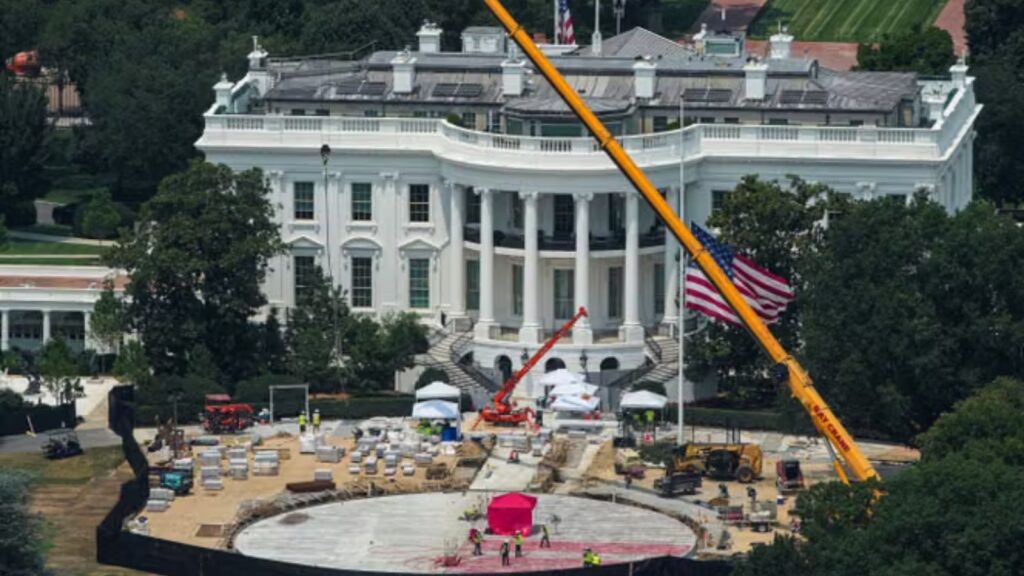
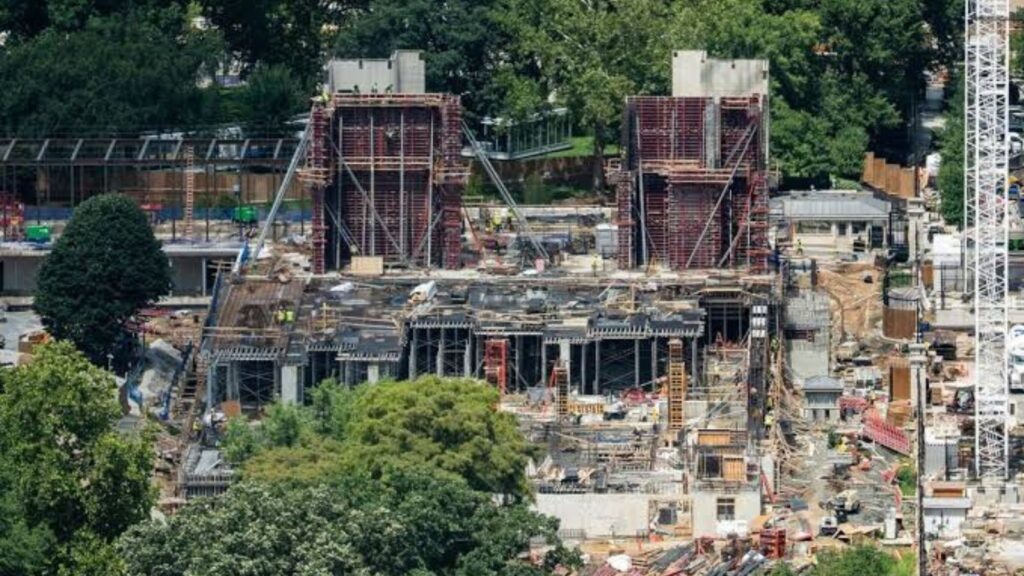
A US appeals court has upheld a ruling blocking further construction of President Donald Trump’s proposed White House ballroom, setting the stage for another legal battle before the Supreme Court over the limits of presidential authority.
The US Court of Appeals for the DC Circuit ruled 2-1 on Friday that the massive renovation of the White House requires explicit approval from Congress.
The court had previously allowed construction to continue while it considered the case but has now stayed its ruling for two weeks, giving Trump time to ask the Supreme Court to intervene.
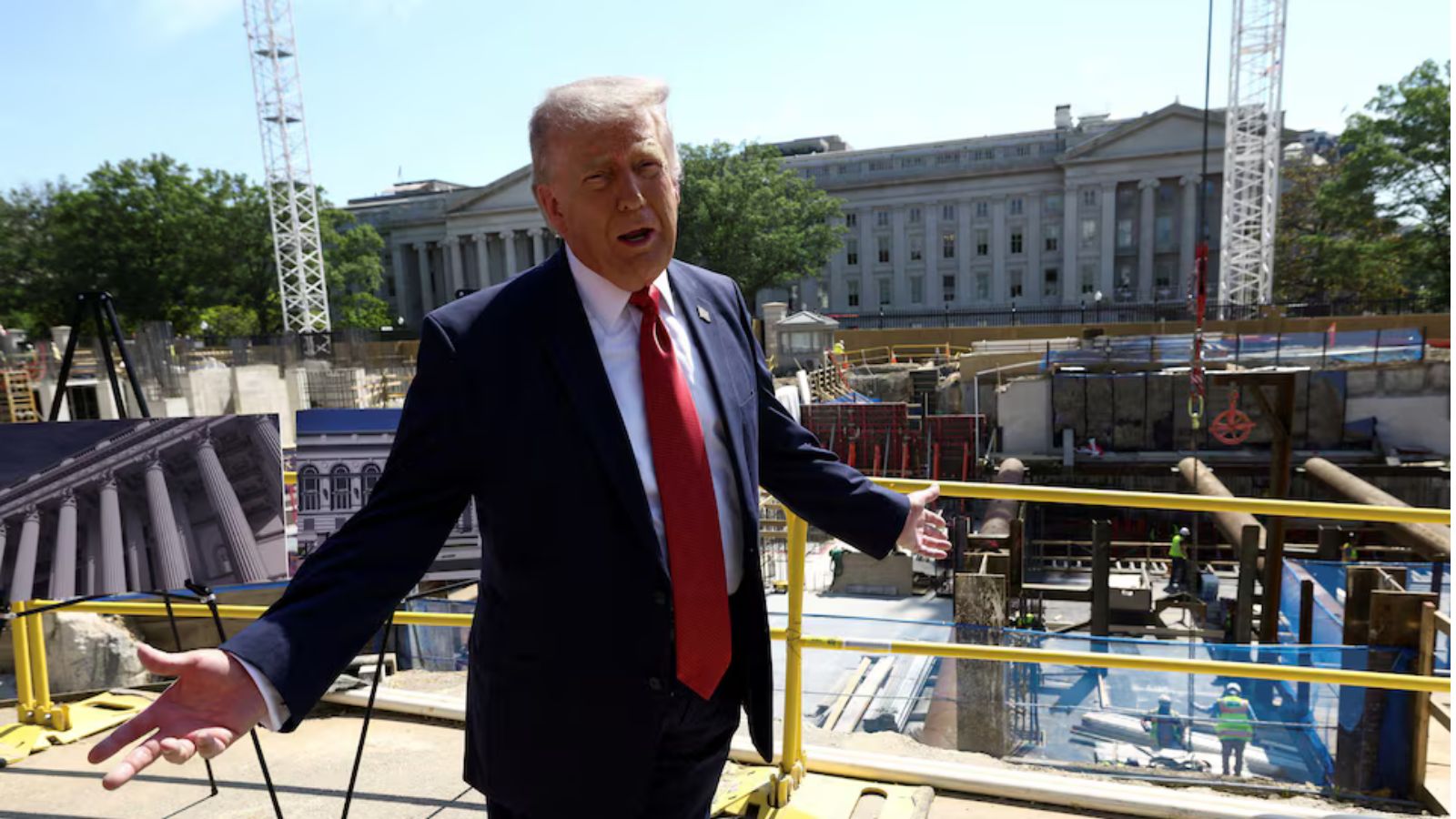
Trump reacted angrily to the decision, describing it as “horrendous, politically motivated, and unlawful.”
The two judges who formed the majority were appointed by Democratic presidents, while the dissenting judge was nominated by Trump.
The President said he would immediately challenge the ruling at the Supreme Court.
“This decision, made after much of the work has been done and paid for, is a National Security Threat at the highest level. It is also a National Disgrace,” Trump wrote on his Truth Social platform on Friday night.
Court Says Congress Must Approve Project
The appeals court made clear that its decision was not based on whether the ballroom itself was desirable.
“This holding has nothing at all to do with whether the proposed ballroom is desirable, or not, as a matter of policy. This ruling does not even necessarily mean that the Defendants may not ultimately construct the ballroom,” the majority wrote.
The judges added that construction could not continue during the lower court proceedings without congressional authorisation.
“What it does mean is that the Defendants may not do so during the district court’s expeditious litigation without securing Congress’s authorization, as the Constitution and laws require.”
Under an earlier order by the district judge, construction was permitted to continue only on a limited number of structures, including underground components.