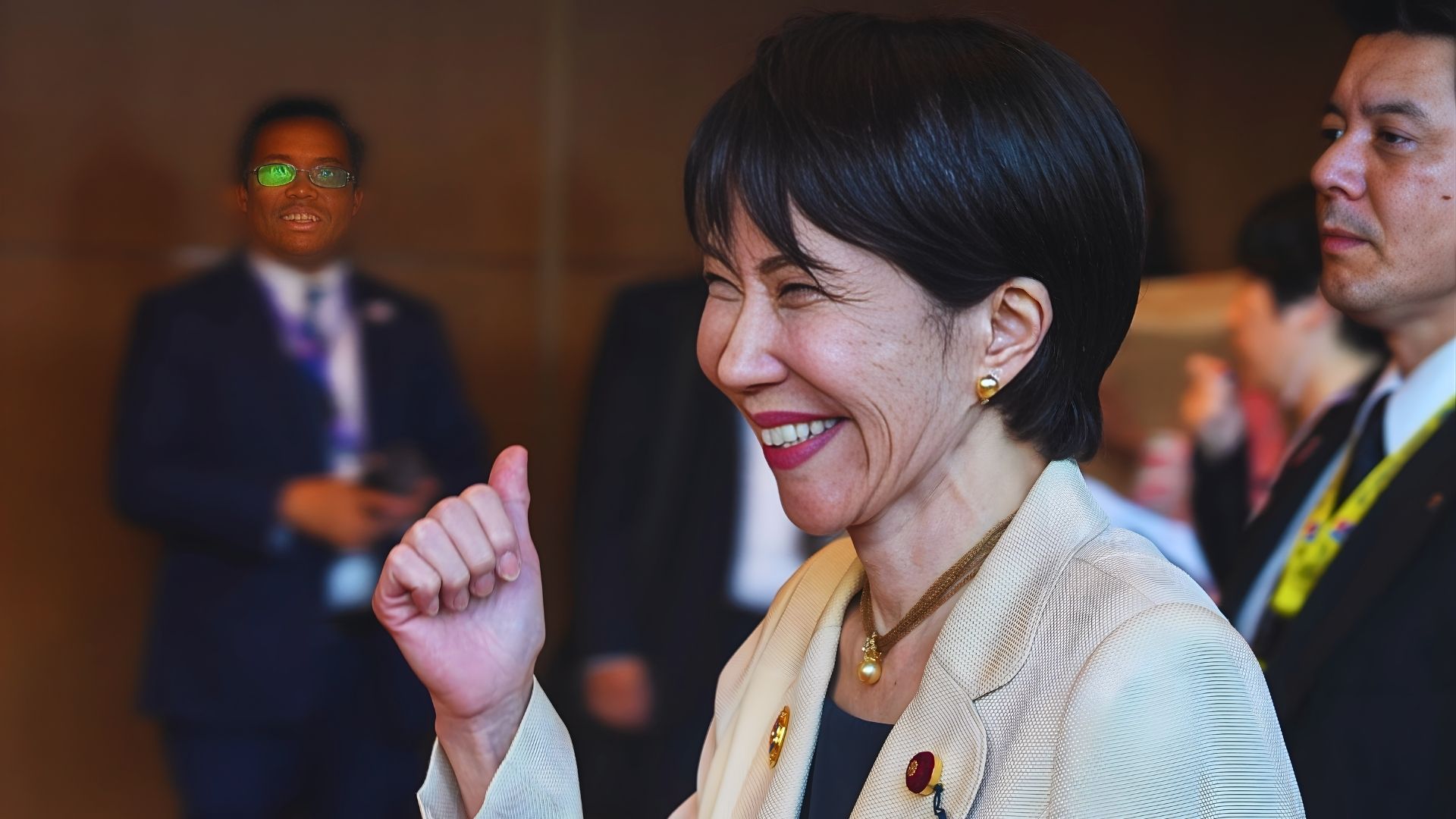
Japanese Prime Minister Sanae Takaichi is not backing down. Instead, she is reinforcing her hardline stance against Beijing, even as China intensifies economic and diplomatic pressure in what analysts now describe as the 2025–2026 China–Japan diplomatic crisis.
How the Crisis Began
Tensions sharply escalated in November 2025 after Takaichi suggested that a Chinese attack on Taiwan would constitute an “existential crisis” for Japan — a scenario that could justify military intervention under Japan’s security laws.
Beijing reacted swiftly and forcefully, accusing Tokyo of interference in its internal affairs. What followed has been a sustained “greyzone” campaign — a strategy designed to apply pressure without triggering open military confrontation.
How China Is Hitting Japan Where It Hurts
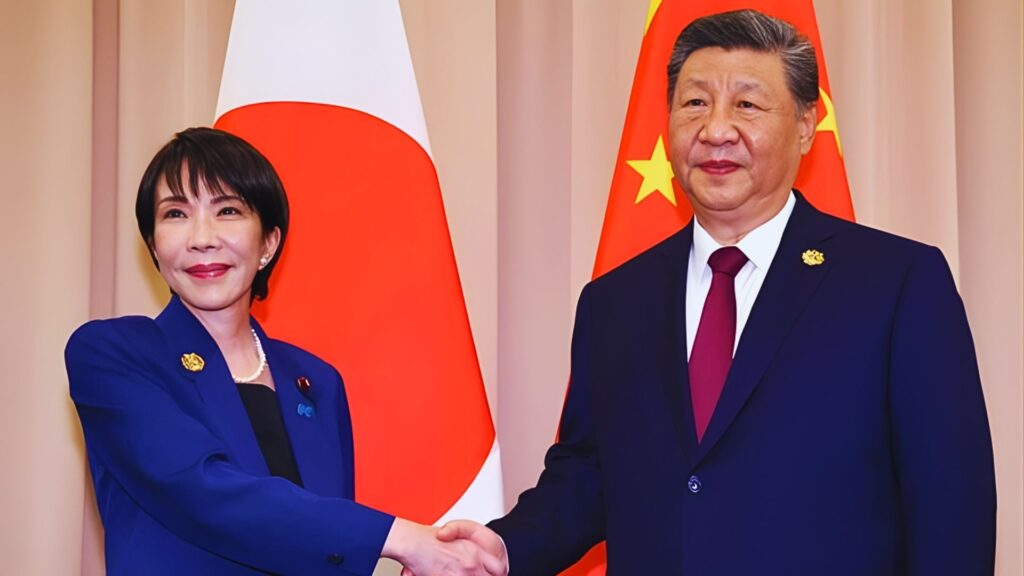
China’s response has targeted key pillars of Japan’s economy and soft power influence:
Trade Restrictions
Beijing banned exports of dual-use goods and rare earth materials to Japan — resources critical to Japan’s high-tech manufacturing and defense industries. Given China’s dominant position in rare earth processing, the move strikes at the heart of Japan’s industrial supply chains.
Tourism and Cultural Signals
China cancelled 49 flight routes between the two countries and issued travel advisories that reportedly led to more than 500,000 trip cancellations. In a symbolic gesture that drew international attention, China also recalled its giant pandas from Tokyo’s Ueno Zoo — long regarded as icons of “panda diplomacy.”
Import Bans
Beijing reinstated a comprehensive ban on Japanese seafood imports and slowed customs clearance for Japanese products such as sake, increasing economic strain on exporters already facing regional uncertainty.
Together, these measures appear designed not only to pressure Japan’s economy but also to test domestic public morale.
Takaichi’s Calculated Response
Rather than softening her rhetoric, Takaichi has leveraged the standoff to consolidate political strength.
Landslide Electoral Mandate
On February 8, 2026, her party, the Liberal Democratic Party (LDP), secured a historic supermajority in a snap general election. Takaichi framed the result as a public endorsement of her firm posture toward China.
Military Build-Up
She has pledged to raise defense spending to 2% of GDP two years ahead of schedule — accelerating Japan’s largest military expansion in decades. Her administration is also pushing for revisions to Japan’s pacifist constitution, a move that would formalize a broader security role for the Self-Defense Forces.
No Apology, No Retraction
Takaichi has repeatedly refused to retract her Taiwan remarks, arguing that her statements align with Japan’s existing security framework and reflect legitimate concerns about regional stability.
A Prolonged Strategic “Tango”
Experts suggest this high-stakes diplomatic standoff is far from over. Takaichi appears to view her electoral victory as validation of her hawkish approach, while Beijing remains unwilling to de-escalate without a formal retraction from Tokyo. Neither side shows signs of immediate compromise.
For Japan, the crisis presents both risk and opportunity — economic vulnerability on one hand, and a chance to redefine its strategic posture on the other.
For China, the campaign signals resolve, but also raises questions about how far economic coercion can go before hardening opposition rather than weakening it.
As Asia’s two major powers continue this tense geopolitical “tango,” the broader Indo-Pacific region watches closely.