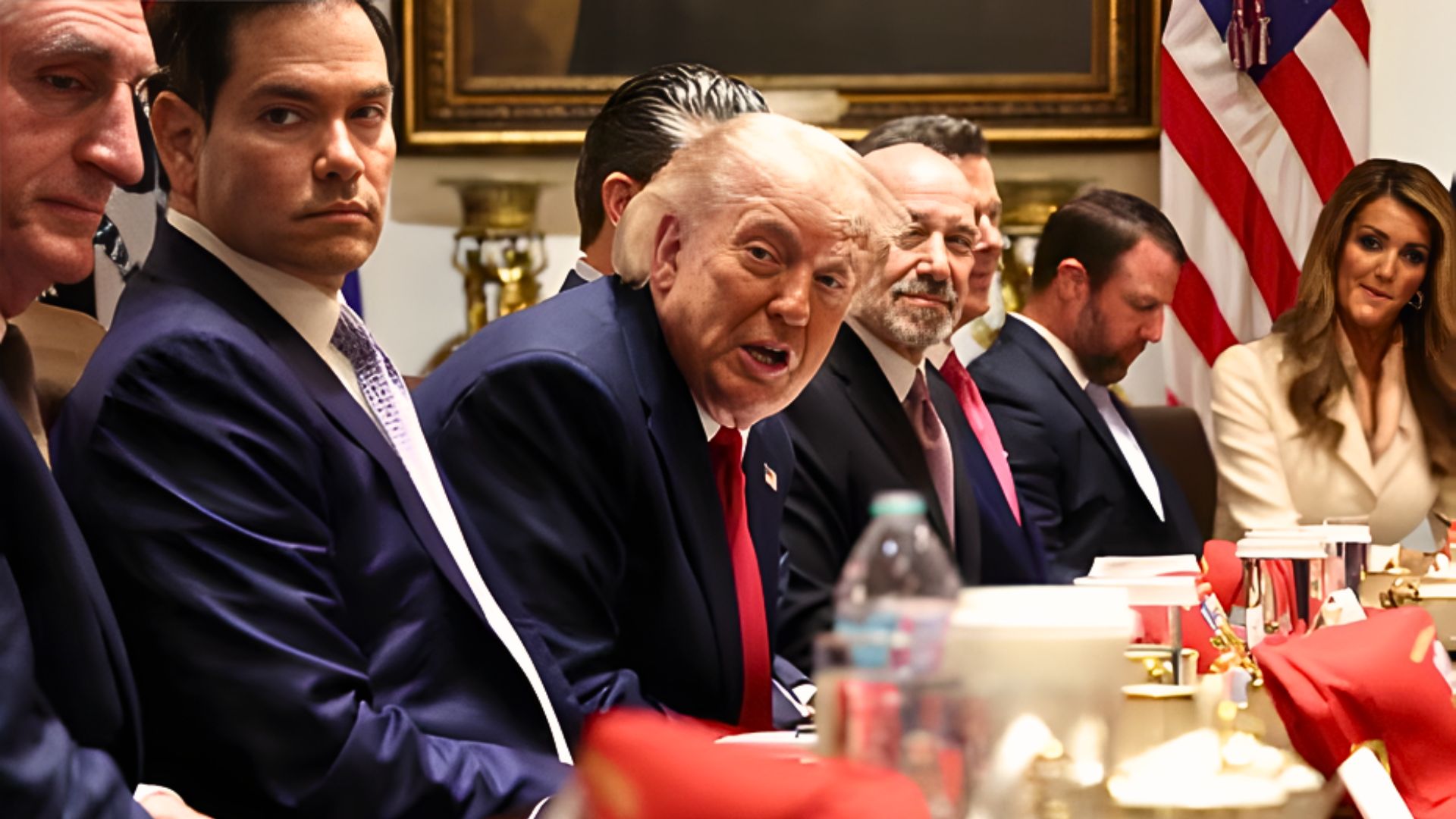

American forces shot down four Iranian drones and destroyed a ground control station near the Strait of Hormuz — even as Trump insists a deal is close.
IDEA Television News Desk
U.S. forces carried out fresh defensive strikes against Iran on Wednesday, intercepting four one-way attack drones that posed a threat near the strategically vital Strait of Hormuz, according to U.S. officials — a dramatic escalation that came just hours after President Donald Trump declared that Tehran is “negotiating on fumes.”
U.S. Central Command forces not only shot down the four drones but also struck an Iranian ground control station in Bandar Abbas that was seconds away from launching a fifth, officials said. The action marks another flare-up in a conflict that has now stretched nearly three months, rattling global energy markets and raising the stakes for a diplomatic resolution.
“November’s midterms won’t make me rush into a deal.”
— President Donald Trump, Cabinet Meeting, May 27, 2026
Speaking at a Cabinet meeting on Wednesday, Trump struck a confident tone — insisting his administration is making “headway” toward a settlement, even as the underlying talks remain far from finalised. The president also pushed back on suggestions that approaching midterm elections might pressure him into accepting a deal on unfavourable terms, saying political timelines would not drive his hand.
Over the weekend, Trump had gone even further — declaring that a peace deal had been “largely negotiated” — a claim quickly disputed by Iranian officials. Tehran’s Fars news agency described the announcement as “incomplete and inconsistent with reality,” while a senior Iranian source told Reuters that the nuclear issue was never part of any preliminary framework.
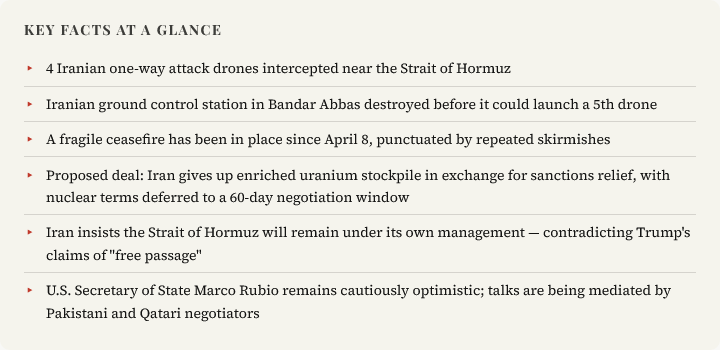
At the heart of the dispute lies Iran’s stockpile of highly enriched uranium — a central demand of the Trump administration. Under the emerging framework, Tehran would agree to surrender the uranium in exchange for significant sanctions relief, with a 60-day window for further talks on the nuclear file. However, Iran has not confirmed it agreed to hand over the material, and the Islamic Republic insists the nuclear question must wait until after a formal end to hostilities.
Israel, which has watched the negotiations with alarm, is also pressing its concerns. A senior Israeli official warned that any deal focused narrowly on reopening the Strait of Hormuz — while leaving Iran’s nuclear capabilities intact — would send a dangerous signal to the region. Israeli Prime Minister Benjamin Netanyahu convened an emergency security consultation over the weekend to assess the developing situation.
The conflict has already triggered what Gulf states have called the worst global energy crisis in decades, with higher oil prices feeding inflation across the United States and raising the prospect of Federal Reserve interest rate increases. With both sides still deeply at odds over the core terms of any lasting peace, Wednesday’s strikes serve as a stark reminder that diplomacy and military pressure continue to run on parallel tracks.